
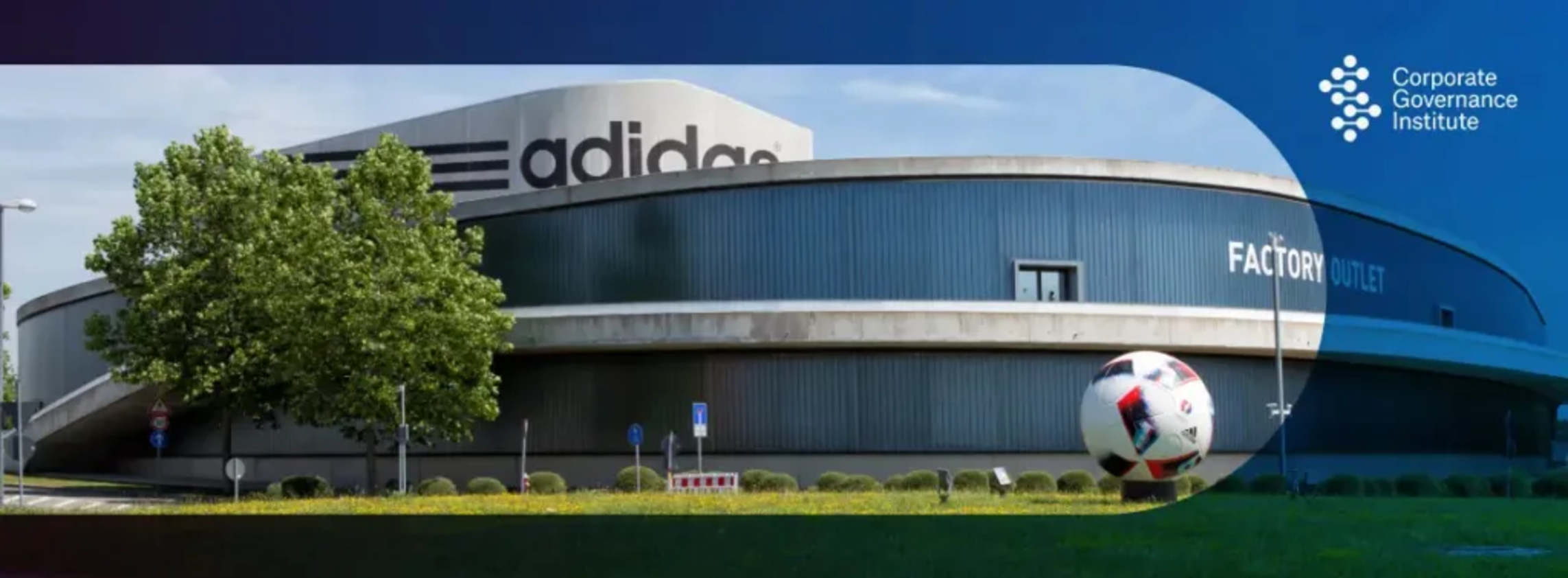
Showdown at Adidas: Governance nightmare for the chair and what will happen next

A showdown at Adidas – one of the most recognisable brands in sporting goods – has the potential to put the chair of the board out of a job.
It’s a governance nightmare that most directors hope never to face, although it’s becoming increasingly common, especially in big corporations with global reach and diverse, vocal stakeholders.
This week, the sportswear titan finds itself in the headlines because of its governance future. Supervisory board chair Thomas Rabe faces a growing investor rebellion ahead of a critical re-election vote.
Tensions are mounting because more heavyweight voices are joining the chorus of concern, doubting whether he’ll do what he has promised, and wondering if now is the time to get rid of him.
Showdown at Adidas: what’s going on?As we reach the peak of proxy season, Thomas Rabe’s future as chair of the Adidas supervisory board is in doubt.
Remember, as a German company, Adidas has two boards: one is primarily concerned with management, with mostly executive directors, and the other has mostly non-executives offering independent oversight and ultimately monitors everything concerning how the company is run. This is the supervisory board, which Rabe currently chairs.
Close Why this matters: Governance failures in focus
The criticisms of Rabe touch on two critical governance issues:
Is he focused enough?Rabe is supposed to chair a critical supervisory board while keeping focused on the day-to-day running of an entirely separate media organisation. This is a textbook governance risk because, while it may be possible for Rabe to hold both positions, the practicalities of doing so will leave stakeholders unhappy.
Supervisory boards – and, in particular, their chairs – must maintain a strong balance of independence and proper dedication to run the board properly. Having a CEO role concurrently could easily dilute Rabe’s impact, compromise objectivity, and perhaps even raise questions about conflicts of interest.
There’s no clear futureOne of the main things Rabe did in 2024 to alleviate investor concern was a promise to implement a succession plan. This has not materialised.
Aside from the obvious issue that he didn’t do something he said he’d do, there’s also the fundamental issue of the succession plan itself. These are hugely important in modern governance. They ensure corporate leadership has a stable, seamless future.
Good succession plans mean that even if the current chair is the greatest of all time, investors can rest easy when that chair retires, because they know that the people coming next are carefully selected, trained, mentored, and ready to go.
If Rabe doesn’t create these kinds of assurances but still insists on leading the supervisory board, he has a problem.
Will Rabe be re-elected?We can say with some confidence that he is more likely to lose his job this year than he was in 2024.
- In 2024, he held on to his role with 69% of the vote. This sounds like a lot, but in Germany, it’s quite low and a sign of danger, according to the Financial Times.
- Since then, more high-profile investors with loud voices have rallied against him.
- The centrepiece of his 2024 re-election was a succession plan, which hasn’t come together.
In short, the narrative is turning further against Rabe because it’s harder for him to justify his own credentials. You can’t lead a corporate board when investors have settled into this mindset.
In summaryThe showdown at Adidas is an example of core governance issues exposed, activist pressure in action, and a unique look at the consequences of stretching yourself too thin as a leader. It’s got everything.
The ultimate conclusion is that investors will always make it known when their expectations are not being met, and activists in particular will seize every chance they get to make a change.
Will Rabe survive? Let’s watch and see.